

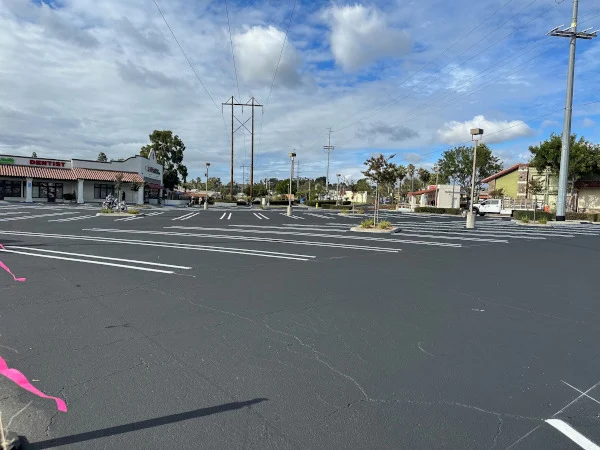
If you manage commercial property anywhere from Corona to Hemet, you already know the Inland Empire doesn’t mess around when it comes to heat. We’re not talking about mild Southern California beach weather. We’re talking about summers where pavement surface temperatures hit 150°F or higher, and triple-digit air temperatures become the norm from June through September.
That kind of heat does things to asphalt that property managers in milder climates never have to think about. And the damage often starts long before you notice it.
What Extreme Heat Actually Does to Asphalt
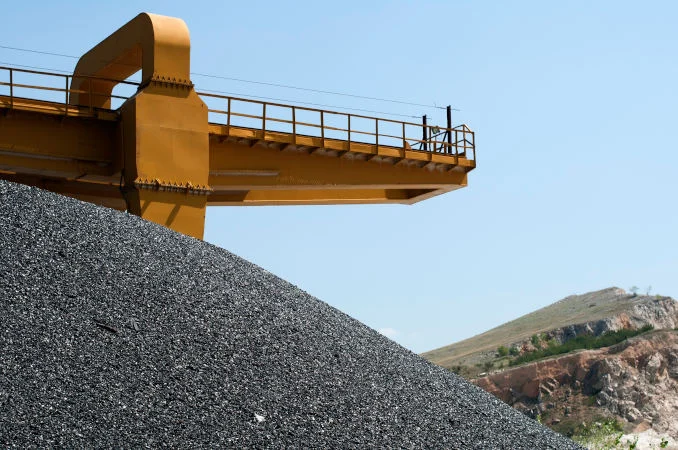
Asphalt is held together by a petroleum-based binder that keeps the aggregate (the rocks and sand) locked in place. When pavement bakes under Inland Empire sun, that binder softens and oxidizes. Over time, it becomes brittle. The surface loses flexibility, and that’s when cracking starts.
Here’s what happens in stages:
Surface oxidation. The top layer of binder dries out first. You’ll notice the pavement turning from black to gray. This isn’t just cosmetic. It means the surface is losing its ability to flex with temperature changes.
Micro-cracking. Small cracks form as the rigid surface expands and contracts through daily temperature swings. In the IE, pavement can go from 70°F overnight to 130°F by mid-afternoon. That’s a lot of movement.
Water infiltration. Those small cracks let moisture in. Even in our dry climate, overnight condensation and occasional rain find their way into the base layer. This is where water damage becomes a real threat.
Base failure. Once water reaches the base, the real problems begin. The subgrade shifts, and you get potholes, depressions, and alligator cracking that no surface treatment can fix.
Why IE Heat Is Different from Coastal California
Property managers who’ve worked in LA or Orange County sometimes underestimate what Inland Empire conditions do to pavement. The coast benefits from marine layer cooling and rarely sees temperatures above 85°F. Out here in Riverside and San Bernardino counties, we routinely see 20 to 30 degrees hotter.
That difference matters because asphalt damage accelerates exponentially with temperature. Pavement that might last 20 years in Irvine could need major work in 12 to 15 years in Fontana or Moreno Valley, all other things being equal.
The UV exposure is more intense too. Less cloud cover and lower humidity mean more direct radiation hitting the surface day after day. Combined with the heat, this is why parking lot lifespan in the IE depends heavily on proactive maintenance.
Signs Your Pavement Is Struggling with Heat Damage
Walk your parking lot in late summer and look for these warning signs:
Faded, grayish color – Fresh asphalt is dark black. When it turns gray, the binder is oxidizing and you’re losing protection.
Linear cracking – Long cracks running parallel to traffic flow often indicate thermal stress. The pavement is expanding and contracting without enough flexibility.
Soft spots – If you can push a screwdriver into the surface easily on a hot day, the binder is breaking down. This is common in areas with heavy sun exposure and no shade.
Raveling – Loose aggregate on the surface means the binder can no longer hold the mix together. You’ll see small rocks collecting in low spots.
Alligator cracking Interconnected cracks that look like reptile skin indicate base failure. By this point, asphalt repair or partial replacement is usually necessary.
How to Protect Your Pavement from Heat Damage
The good news is that heat damage is largely preventable with the right approach. Here’s what actually works in Inland Empire conditions:
Sealcoating on a regular schedule. A quality sealcoat application every 2 to 3 years shields the binder from UV radiation and slows oxidation. Think of it as sunscreen for your parking lot. In the IE, you can’t afford to skip this.
Crack sealing before summer. Seal cracks in spring before the heat arrives. This keeps water out and prevents small problems from becoming big ones. Waiting until fall means the damage has already compounded.
Proper drainage. Standing water accelerates heat damage because wet pavement conducts heat differently and breaks down faster. Make sure your lot drains properly and that curbs and gutters are directing water away from the surface.
Quality materials from the start. Not all asphalt mixes are created equal. For IE conditions, you want a mix designed for high-temperature performance with appropriate binder grades. Cheap paving jobs often use mixes better suited for cooler climates, and they fail faster here.
The Heavy Vehicle Factor
Heat damage gets worse when you add heavy vehicles to the equation. Hot asphalt is softer, which means delivery trucks, garbage trucks, and other heavy loads do more damage during summer months than they would in cooler weather. The softened surface compresses under the weight and doesn’t bounce back the way it should.
If your property sees regular heavy traffic, you need to account for this in your parking lot maintenance plan. Areas where trucks turn or brake need extra attention because the stress compounds with heat. We’ve written about how heavy vehicles affect parking lot lifespan in more detail if this applies to your property.
When Maintenance Isn’t Enough
Sometimes heat damage has progressed too far for surface treatments to work. If your pavement has extensive alligator cracking, large potholes, or base failure, you’re looking at asphalt resurfacing or full replacement.
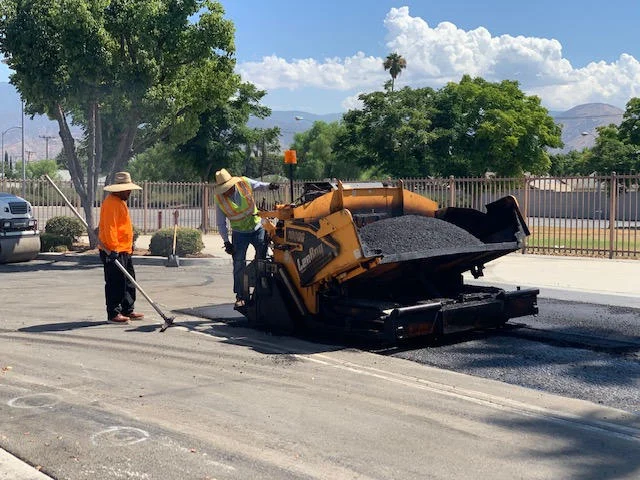
The decision comes down to what’s happening below the surface. If the base is still solid, an overlay can add 10 to 15 years of life. If the base has failed, overlaying just postpones the inevitable. Milling down to a stable layer and repaving is the better long-term investment.
A good paving contractor will core the pavement to assess the base condition before recommending a solution. If someone quotes you without checking what’s underneath, that’s a red flag.
Planning for the Long Term
Managing pavement in the Inland Empire means thinking ahead. A lot of property managers operate reactively, fixing problems as they appear. That approach costs more in the long run.
Preventive maintenance, sealcoating, crack sealing, and timely repairs, can double the life of your pavement. We’ve worked with property managers across the region who’ve saved tens of thousands of dollars by staying ahead of heat damage instead of chasing it.
The key is having a maintenance schedule that accounts for IE conditions specifically. What works in a milder climate won’t protect your investment out here.
Working with a Local Contractor
Experience in Inland Empire conditions matters. A contractor who understands how local heat, soil types, and traffic patterns affect pavement will make different recommendations than someone who learned the trade somewhere else.
We’ve been paving commercial properties across Riverside, San Bernardino, Corona, Temecula, and surrounding cities for years. We know what works in this climate, and we know how to keep your parking lot performing through the worst of summer.
If you’re seeing signs of heat damage or want to get ahead of it, reach out. We’ll take a look at what you’re working with and give you an honest assessment of what needs to happen next.